We place the people who make AI answer for itself.
Not a manifesto, just the plain version: why this exists, who built it, what the name is actually doing, how we check competence, and the short list of things we will not do no matter how good the offer.
Everyone's suddenly been told to "own the ethics of their AI," as if that's a checkbox and not a person. Most organisations have no idea where to find that person, or how much of them they actually need, one day a week or five. We solve the second problem so you can get on with the first: we place, share, and grow AI ethicists, sized to the shape of your risk, not the size of your budget.
We think this is one of the most genuinely exciting corners of AI to work in, a profession that's still being written. In practice it's the person in the room asking the question everyone else is quietly praying nobody asks, and then not letting it go just because the meeting's running long. That part, we genuinely enjoy.
Who's behind this
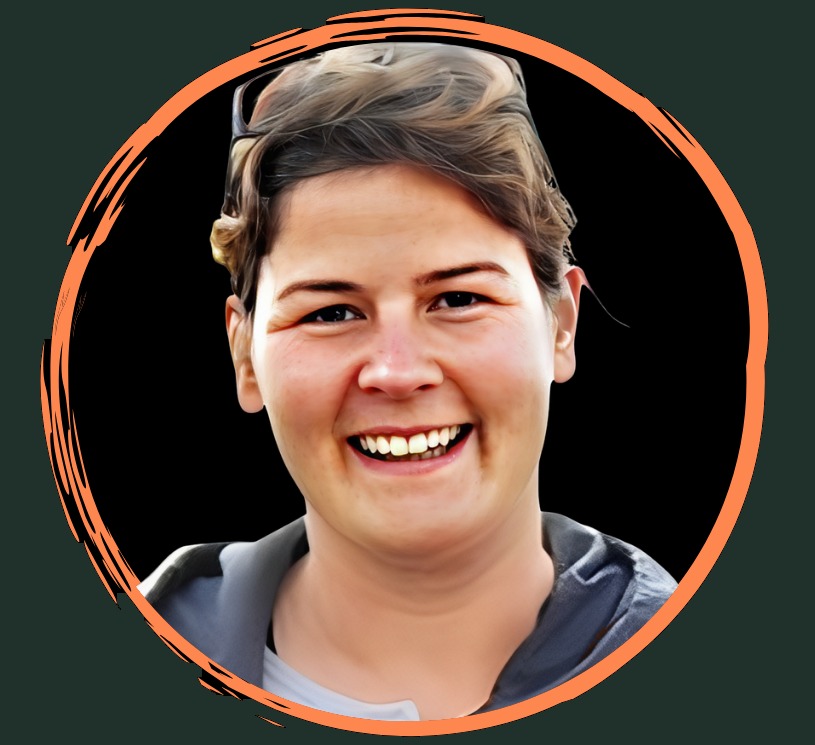
Nicole Le Maire
I wrote my MBA thesis on online recruitment (“Online Recruitment – The Final Frontier”) at a time when most of my professors saw the internet as a mere novelty, not the future of how people would find work. That early conviction, that a new technology deserves to be taken seriously before everyone else catches up, has stayed with me ever since.
The years that followed took me across international markets, building business operations that connected people to opportunity across cultures and continents. Today that same instinct is pointed at ethics for AI: the technology is moving faster than our collective judgement about how to use it well, and closing that gap, thoughtfully and honestly, is the work I care about most now.
If your organisation is building this way, or you are a practitioner who wants to help define what real AI stewardship looks like, I would like to hear from you.
Why "Sentient"
The name is the point, not a flourish. Nobody here is building sentient AI, that is not this business.
The bet is the opposite: the model does not need to be sentient if the people around it are doing the values work, tuned to the judgement calls that make the organisation and culture genuinely better, not just safer, and alert to the finding that is easier to soften than to raise.
Part of that work is trusting unease as data, not noise: the flagged feeling a reviewer cannot yet justify in a slide is often the earliest sign something is wrong, and a good ethicist learns to chase that lead rather than suppress it.
That is the "Staff" half of the name too. Not an algorithm matching keywords on a CV. People, paying attention, on the record.
What we will not do
What we commit to comes first: an independently evidenced hire, the reasoning shown rather than a badge asserted, and every term of the engagement put in writing before you sign anything. Alongside that, a short list of things we will not do, no matter how good the offer:
- No ranking practitioners, no public leaderboard. People are not a leaderboard, whatever the hiring market wishes they were.
- No charging a practitioner, at any stage, for any reason. Not a fee, not a "small admin cost," not ever.
- No placing someone into a powerless role and calling it AI ethics.
- No presenting an ethicist as the final word on an ethical call. We place every ethicist as an advisor, not a decision-maker: the decision sits with an internal committee, not with one person acting alone; the people we place advise, with the reasoning shown, and the decision stays with your organisation's leadership.
Every engagement carries the same six-clause independence charter, and you can see what that looks like in practice across four composite case studies.